Portillo’s French Fries Nutrition 2026: Calories, Macros & Smart Ordering Guide
Few side dishes inspire the kind of loyalty that Portillo’s crinkle-cut fries do, and portillos french fries nutrition is one of the most-searched nutrition topics for the Chicago-born chain. Fans want to know exactly what arrives in that golden, ridged basket — the calories, the carbohydrates, the fat, the sodium, and whether upgrading to the jumbo size is worth it. This 2026 guide breaks down portillos french fries nutrition in full, covering regular orders, jumbo orders, cheese-loaded plates, and chili cheese fries, with nutrition tables, macro explanations, and smarter ordering tips. Every figure below is an approximate value compiled from Portillo’s published nutritional materials and restaurant nutrition databases, since recipes and portions can vary by location.
What Makes Portillo’s Fries Different?
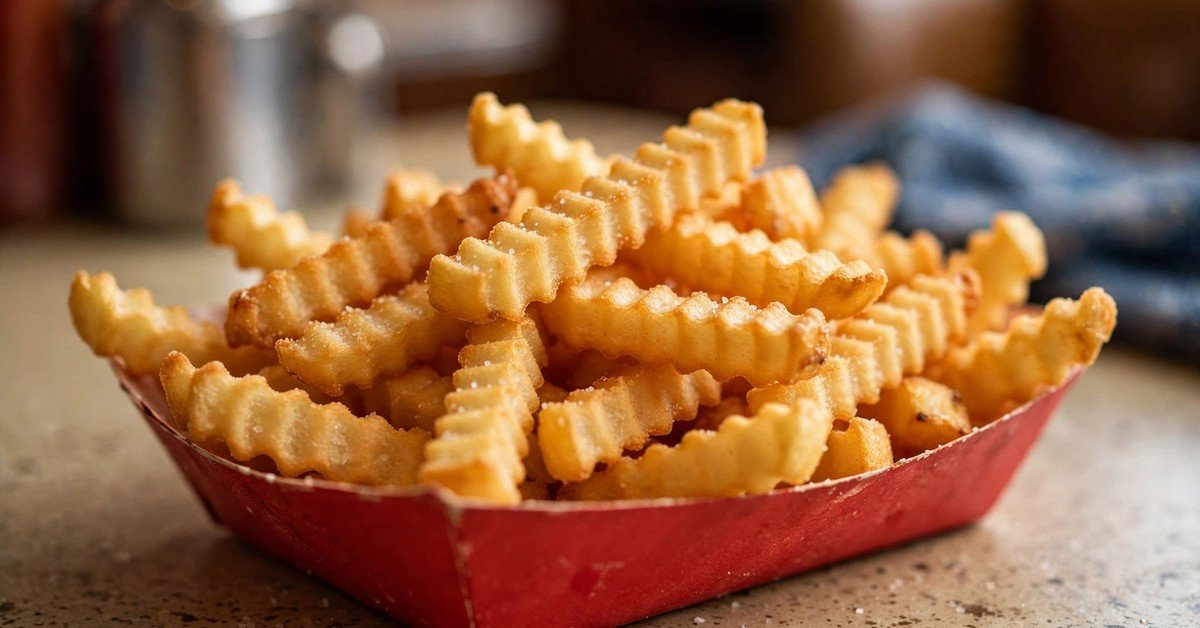
Portillo’s serves crinkle-cut fries rather than the thin shoestring style most fast-food chains use, and that cut changes the eating experience in a meaningful way. The ridged edges create more surface area, which means extra-crisp corners and valleys that catch salt, ketchup, and cheese sauce in every bite. Because each fry is thicker, the interior stays fluffy and potato-forward while the outside fries up golden and crunchy. This texture is exactly why the fries show up in so many fan orders — they hold up under a ladle of cheese sauce or chili far better than thin fries ever could. Understanding portillos french fries nutrition starts with recognizing that this hearty cut carries a little more potato per piece, so portion size matters even more here than at other restaurants.
Portillos french fries nutrition: The Full Breakdown
The table below summarizes portillos french fries nutrition across every fry option on the menu, using approximate values so you can compare sizes at a glance. Regular fries are the baseline most diners know, while the jumbo order roughly doubles down on everything. Cheese fries add a rich cheese sauce that pushes fat and sodium sharply upward, and chili cheese fries add beef chili to the mix. Onion rings appear in the table too, since many fans weigh them against fries as their side of choice. Keep in mind that these are estimates — the official Portillo’s nutritional PDF on portillos.com carries the current item-by-item figures for your location.
| Fry Option | Calories (approx.) | Total Fat | Carbohydrates | Protein |
|---|---|---|---|---|
| Regular French Fries | ~365 | ~17g | ~63g | ~5g |
| Jumbo French Fries | ~500 | ~25g | ~63g | ~6g |
| Cheese Fries (regular order) | ~560 | ~30–33g | ~50–52g | ~10–11g |
| Cheese Fries (loaded serving) | up to ~1,000 | ~55–60g | ~80–90g | ~15–18g |
| Chili Cheese Fries | ~600 | ~30–35g | ~55–60g | ~12–14g |
| Jumbo Onion Rings | ~500 | ~22–30g | ~50g | ~5–6g |
Regular vs Jumbo Fries: Which Size Should You Order?
When comparing portillos french fries nutrition across sizes, the regular order is the standard side at Portillo’s, landing at roughly 365 calories with about 17 grams of fat. That is a moderate side by fast-food standards — and when people compare Portillo’s fries calories against other chains, the regular order holds up well — it pairs reasonably with a lighter main like a Chicago-style hot dog without blowing past most daily calorie targets. The potato itself supplies most of the 63 grams of carbohydrates, while the frying oil accounts for nearly all of the fat. If you track fries calories Portillo’s style because you are counting calories, the regular size is the one to benchmark against. It delivers the full crinkle-cut experience at the lowest nutritional cost on the fry menu.
The jumbo order steps up to around 500 calories and about 25 grams of fat, which makes it a meaningfully heavier side. That jump comes almost entirely from a larger scoop of the same fries — the crinkle cut, the oil, and the salt stay constant, only the volume changes. Splitting a jumbo between two people is a classic move, and it brings each person’s share down to roughly 250 calories, which is lighter than one full regular order each. Solo diners who order the jumbo often end up eating more simply because the basket is in front of them, so appetite discipline matters here. If you love fries but watch your intake, ordering regular and savoring every piece beats ordering jumbo and leaving half behind.
Portillos french fries nutrition: Cheese Fries Explained
Cheese fries are the indulgence pick on the Portillo’s side menu, and Portillo’s cheese fries nutrition numbers show why they eat like a small meal rather than a side. A regular order lands near 560 calories with roughly 30–33 grams of fat, because the warm cheese sauce adds a rich layer of dairy fat on top of the already-fried potato. The sauce also contributes most of the 10–11 grams of protein and a big share of the sodium in the basket. Loaded or large servings can approach 1,000 calories, which puts them in the same territory as a full sandwich. Treating cheese fries as a shared table side — not a solo side — is the simplest way to enjoy them without derailing your day.
The cheese sauce itself deserves a closer look, since it drives nearly half the calories in the dish. Cheese sauces are typically made from cheese, milk or cream, oil, and starches that keep the sauce smooth and pourable at serving temperature. That combination is delicious, but it means the sauce adds concentrated fat and sodium in every spoonful. Asking for light cheese sauce is a reasonable request at many locations and can trim a noticeable chunk of calories without removing the flavor entirely. Dipping the fries in a small cup of sauce on the side, rather than having it ladled over the top, gives you portion control the standard build does not. Either way, Portillo’s cheese fries nutrition rewards the same strategy as the jumbo fries: share it, and the numbers become far friendlier.
Portillo’s Crinkle Cut Fries Nutrition: What’s Actually in Them?
Portillo’s crinkle cut fries nutrition starts with three basic ingredients: potatoes, frying oil, and salt. The potatoes are cut with the signature wavy blade, blanched or par-cooked, and then fried until the ridges turn crisp and golden. Frying oil — typically a vegetable oil blend at commercial fryers — is where most of the fat content comes from, since hot oil is absorbed into the potato’s surface as moisture escapes. Salt is applied right after frying so it clings to the hot, ridged surface, which is why fries taste so seasoned even though the potato itself is mild. Nothing exotic goes into the base fry, which means the nutrition profile is honest and predictable: mostly starch, frying fat, and sodium.
Understanding the cooking process helps explain why fry nutrition varies between batches and locations. Oil temperature matters — oil that is hot enough seals the fry’s surface quickly and absorbs less fat, while cooler oil produces a greasier, heavier fry. Fresh oil versus oil near the end of its fry cycle can also shift how much fat ends up in the basket. Portioning is the biggest variable of all: a heaping scoop can easily add 50–100 calories over a level scoop of the same fries. This is why every serious guide to Portillo’s crinkle cut fries nutrition works in ranges rather than exact numbers. The values in our table reflect typical servings, and your actual basket will land somewhere near them.
Macronutrients: Carbs, Fat, and Protein in Portillo’s Fries
Carbohydrates: The Biggest Slice of the Pie
Carbohydrates dominate portillos french fries nutrition because fries are, at their core, cooked potato starch. A regular order carries roughly 63 grams of carbs, which is comparable to eating three slices of bread in one sitting. Almost all of those carbs come from the potato itself rather than any coating, since Portillo’s fries are not heavily breaded like some fast-food fries. The crinkle cut’s thicker profile means slightly more potato per fry and a bit more starch than a thin shoestring fry of the same weight. For diners tracking carbs — including anyone managing blood sugar — the regular fry order counts as a full carb serving, and the jumbo counts as nearly two.
Fat: Where the Frying Oil Shows Up
Fat is the second-largest macro in the basket, at about 17 grams for a regular order and roughly 25 grams for a jumbo. Nearly all of it comes from the frying oil absorbed during cooking, not from the potato, which is naturally almost fat-free. Cheese fries multiply this number because the cheese sauce layers dairy fat on top of the frying fat, pushing a regular order to 30–33 grams. That fat is also what makes fries so satisfying — fat carries flavor and slows digestion, which is why a basket of fries feels more filling than an equal weight of baked potato. The tradeoff is caloric density: fat packs nine calories per gram versus four for carbs, so it drives the total upward fast — the central math behind portillos french fries nutrition.
Protein: Modest but Not Zero
When people search for Portillo’s fries protein, the honest answer is that fries are not a protein food. A regular order supplies around 5 grams of protein — enough to count, but nowhere near what a sandwich or grilled chicken side delivers. Cheese fries do better at 10–11 grams per regular order, thanks to the dairy protein in the cheese sauce, and chili cheese fries climb a little higher because of the beef chili. If protein is your priority, pairing fries with a protein-rich main like the grilled chicken side or a char-broiled burger makes far more sense than sizing up the fries. Think of fry protein as a small bonus, not a building block of the meal.
Sodium: The Hidden Number in portillos french fries nutrition
Sodium is the quiet heavyweight in portillos french fries nutrition, and it deserves more attention than it usually gets. Salt is applied generously to the ridged surface right after frying, so a regular order can carry roughly 450–550 milligrams of sodium before any dipping sauce enters the picture. Jumbo orders scale up to around 650–800 milligrams, and cheese fries — with their salty cheese sauce — can push past 1,000 milligrams in a single basket. For reference, the American Heart Association suggests keeping daily sodium under 2,300 milligrams, so one loaded side can eat up nearly half a day’s budget. Anyone watching blood pressure should treat the fries’ salt as seriously as the calories.
Dipping sauces stack additional sodium on top of what is already in the basket. A standard ketchup packet adds roughly 150–160 milligrams of sodium along with its 15–20 calories and 4–5 grams of sugar. Mustard is the lighter choice at nearly zero calories and far less sodium per serving, while mayo-based sauces and ranch add both sodium and a meaningful calorie load. The cheese sauce on cheese fries is the biggest sodium contributor of all the toppings, which is another reason to order it light or on the side. If sodium is your concern, the single most effective move is simple: ask for lightly salted fries and dip sparingly.
How Portillo’s Fries Fit Into a Full Meal
Looking at portillos french fries nutrition in isolation only tells half the story — most people order fries alongside a sandwich and a drink, and the meal math adds up quickly. A Chicago-style hot dog (roughly 310–450 calories) plus a regular order of fries (about 365) lands the meal near 700–800 calories, which is reasonable for a main meal of the day. Swap the hot dog for an Italian beef sandwich (around 600–650) and the same fries, and you are suddenly near 1,000 calories before the drink. Add a chocolate cake shake (about 800 calories) to that beef-and-fries combo, and the meal sails past 1,800 calories — close to a full day’s intake for many adults. This is the pattern our full Portillo’s nutrition guide flags as the biggest calorie trap on the menu.
The good news is that small swaps keep the meal enjoyable while pulling the totals down substantially. Pairing a regular fries order with a grilled chicken side (about 110 calories and 23 grams of protein) instead of a second sandwich creates a balanced plate under 500 calories. Choosing water or unsweetened iced tea over a shake or soda removes hundreds of calories without touching the food you actually came for. Splitting a jumbo fries between two diners, as noted earlier, gives each person the fry experience for roughly 250 calories. And if fries are the non-negotiable part of your visit — for many fans they are — building the rest of the meal light around them is smarter than skipping them and resenting the salad.
Fries vs Onion Rings: Which Side Wins?
Portillo’s jumbo onion rings run about 500 calories per basket, which puts them roughly on par with jumbo fries and notably above a regular fry order. The rings carry 22–30 grams of fat from the batter and frying oil, plus around 50 grams of carbohydrates from the breading and onion. In a straight portillos french fries nutrition comparison, a regular order of fries (around 365 calories, 17 grams of fat) is the lighter pick by a clear margin. Onion rings do offer one small consolation: the onion inside is a vegetable, though the batter surrounding it cancels out most of that virtue. If you are choosing between the two sides purely on nutrition, regular fries win; if you simply love onion rings, order them as the shared table side and keep your main lean.
Smarter Ways to Enjoy Portillo’s Fries
Share the Basket
Splitting fries is the highest-impact trick in this entire guide, because it cuts every number — calories, fat, carbs, sodium — in proportion with zero sacrifice of flavor. A jumbo shared between two people delivers about 250 calories each, which is lighter than a solo regular order and still feels generous. Cheese fries practically beg to be shared, since their richness makes a full solo order heavy even for big appetites. Ask for an extra empty basket or plate so the split feels intentional rather than like picking from someone else’s food. This one habit does more for your portillos french fries nutrition totals than any sauce swap or seasoning trick.
Right-Size Your Order
Match the fry size to your hunger and your main, not to habit or the small price difference at the register. If your main is already substantial — an Italian beef, a bacon cheeseburger, a combo sandwich — the regular fries are more than enough side. Save the jumbo for meals built around a lighter main, like a plain hot dog or a garden side salad, where the extra fries balance the plate. Loaded cheese fries and chili cheese fries work best as the shared centerpiece of the table rather than anyone’s personal side. Ordering the right size the first time beats heroic restraint after an oversized basket arrives.
Dip Smart, Season Light
How you finish your fries changes their nutrition more than most people realize. Ketchup in moderation is a fine choice at 15–20 calories a packet, but squeezing out three or four packets adds up to a small dessert’s worth of sugar. Mustard delivers big flavor for nearly zero calories and is the stealth health pick of the condiment station. Asking for light salt on the fries themselves cuts sodium at the source, where it matters most. And if you love cheese fries, ordering the sauce on the side turns every dip into a conscious choice instead of a pre-loaded calorie commitment.
Where to Find Official Portillo’s Fry Nutrition Numbers
The figures in this guide are reliable estimates, but Portillo’s publishes official nutritional information that you should check for the most current data. The chain’s nutritional PDF — linked from the nutrition section of the official site — lists calories, total fat, saturated fat, sodium, carbohydrates, fiber, sugar, and protein for every standard menu item, including each fry size and loaded variant. Menu formulations change over time, and the PDF is updated periodically, so grabbing a fresh copy each year keeps your numbers honest. For a pure calorie view across the whole menu, our Portillo’s menu calories chart pairs well with this portillos french fries nutrition deep dive. Between the official PDF and this guide, you have everything needed to order fries with full confidence.
Portillos French Fries Nutrition FAQs
How many calories are in Portillo’s french fries?
A regular order of Portillo’s fries has roughly 365 calories, while a jumbo order climbs to about 500. Cheese fries range from around 560 for a regular order up to roughly 1,000 for a loaded serving, and chili cheese fries sit near 600. These are approximate values — check the official nutritional PDF for the current figures.
Are Portillo’s fries crinkle cut?
Yes, Portillo’s serves crinkle-cut fries with ridged edges that crisp up in the fryer and hold salt, ketchup, and cheese sauce exceptionally well. The thicker cut keeps the interior fluffy while the ridges turn golden and crunchy. That hearty cut is part of why portion size matters so much in portillos french fries nutrition — each fry carries a little more potato than a thin shoestring fry.
How much protein is in Portillo’s fries?
A regular order of fries supplies around 5 grams of protein, which is modest — fries are a carb-and-fat side, not a protein source. Cheese fries do better at roughly 10–11 grams per regular order thanks to the dairy in the cheese sauce. If you want a high-protein meal, pair your fries with grilled chicken or a char-broiled burger rather than sizing up the basket.
Are Portillo’s cheese fries unhealthy?
Cheese fries are an indulgence rather than an everyday side: a regular order carries about 560 calories and 30–33 grams of fat, and loaded servings can approach 1,000 calories. That said, no single menu item is “unhealthy” in isolation — sharing the basket, ordering the cheese sauce light or on the side, and balancing the rest of your day keeps them firmly in treat territory. Enjoy them consciously and they fit fine into an overall balanced diet.
Which is lighter: Portillo’s fries or onion rings?
A regular order of fries (about 365 calories) is clearly lighter than the jumbo onion rings (about 500 calories). The rings carry 22–30 grams of fat from their batter and frying oil, versus roughly 17 grams in regular fries. Jumbo fries and onion rings are closer to a tie at around 500 calories each, so the regular fry order is the lightest side choice of the bunch.
Conclusion: Enjoying Portillo’s Fries With Your Eyes Open
portillos french fries nutrition tells a straightforward story: the classic crinkle-cut fries are a satisfying, honestly-made side whose numbers stay reasonable when you order the regular size and share generously. A regular basket at roughly 365 calories fits comfortably beside a lighter main like a Chicago-style hot dog, and even the jumbo becomes manageable when split between two people. Cheese fries and chili cheese fries are a different category — rich, salty, and built for sharing — and treating them as the table’s centerpiece rather than a personal side keeps their 560-to-1,000-calorie range from hijacking your meal. The biggest lever you control is not a secret menu hack but simple portion awareness: right-size the order, dip smart, and let the fries be the star of a balanced plate instead of an afterthought piled onto an already heavy combo.
That balanced-plate thinking is exactly what separates a great Portillo’s visit from a regretful one, and this site has the guides to help you plan the whole order. Our complete Portillo’s menu nutrition guide breaks down protein, carbs, and fat across every category, from sandwiches to shakes, while the Portillo’s menu calories chart gives you the quick-scan calorie numbers for every item. Pairing fries with the right main makes all the difference — see our Portillo’s hot dogs menu for the lightest sandwich options and our Portillo’s burgers guide for higher-protein pairings. Armed with real numbers instead of guesswork, you can walk into Portillo’s, order the fries you actually want, and enjoy every ridged, golden bite.